
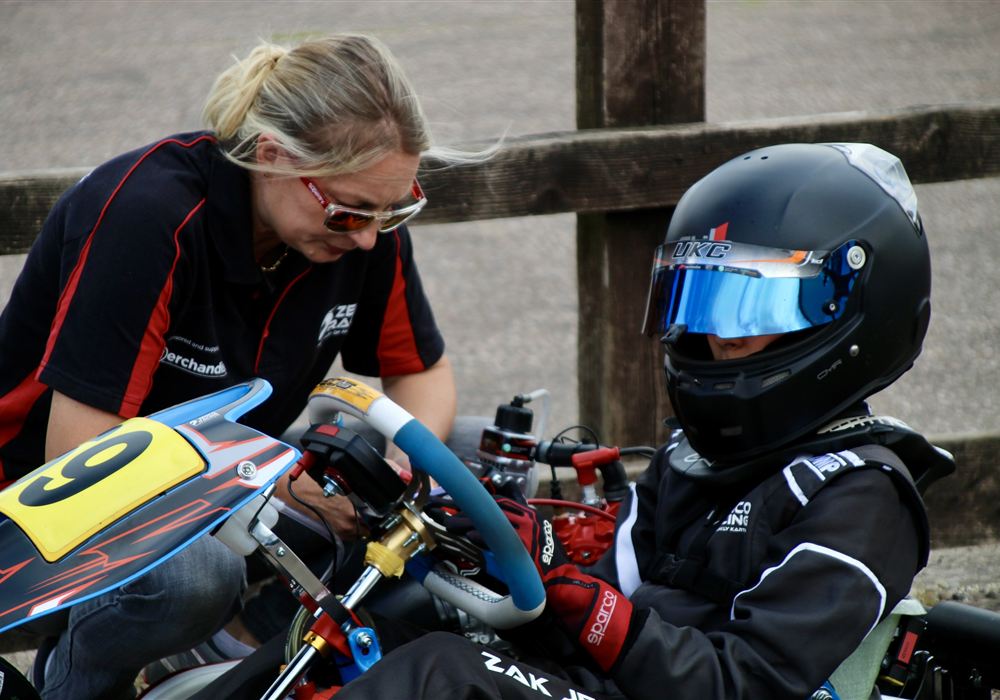
These days, more and more people are worried about the mental health of children. Academic expectations, peer relationships and family troubles are just a few of the things that can put children at risk of mental health issues. If you have looked for professional help but still wonder whether anything else can be done, there is another path worth exploring: activities that encourage self-reliance and positive competitiveness. This post explores the advantages of these kinds of hobbies, using go karting as an example.
The value of self-reliance
Research has shown that self-sufficiency is closely linked to psychological wellbeing. A study published in the Journal of Personality and Social Psychology (Prenda & Lachman, 2001) found that people with a strong sense of self-sufficiency reported higher life satisfaction and lower levels of depression.
Self-sufficiency also empowers people to take control of their lives and make independent decisions. An article in Psychology Today by Susan Krauss Whitbourne, PhD, emphasises the importance of self-sufficiency in fostering a sense of agency and self-efficacy, which can lead to greater life satisfaction.
But something else matters here: the old idea of "self-reliance". (Some of you may know Ralph Waldo Emerson's famous essay of that name. If not, seek it out. It's good.) Becoming self-reliant is an essential part of a child's growth. It encourages independence away from ever-vigilant parents. Self-reliance is also the ability to make your own decisions (within reason, obviously!).
Opportunities for independence can be especially powerful for children with mental health issues, who may feel overwhelmed in many social or academic settings. Being independent in one of those fast karts will help your child develop that self-reliance and, if they're lucky and enjoy it, maybe uncover some hidden driving talent.
The role of parents
Activities like these create shared experiences and memories for parents and children, which children remember as they grow up. Ideally they should have plenty of activities that feel positive for both. Shared activities give parents and children common ground to connect, reminisce and bond over. Research in the Journal of Leisure Research (Orthner et al., 2004) found that shared leisure activities contribute significantly to positive parent-child relationships.
Then there's communication. Most parents I know complain bitterly about how hard it is to talk to their screen-bound children. Open-air, phone-free activities lead to more open and meaningful conversations. During and after, parents and children can talk about their experiences, share insights and offer support and encouragement.
Parents also get valuable one-to-one time with their children. Quality time is associated with greater emotional closeness and attachment between parents and children, as research in the Journal of Marriage and Family (Larson et al., 1996) suggests.
Hopefully this is enough to convince you to give go karting, or any other outdoor, competitive activity that builds independence and self-reliance, a proper go.